- Family Style by Pepper
- Posts
- Secrets Grocery Stores Don't Want You To Know & How To Use Them To Your Advantage
Secrets Grocery Stores Don't Want You To Know & How To Use Them To Your Advantage
Yesterday may have been April Fools Day, but your supermarket is still playing pranks on you

Saanya Ali
April 02, 2026
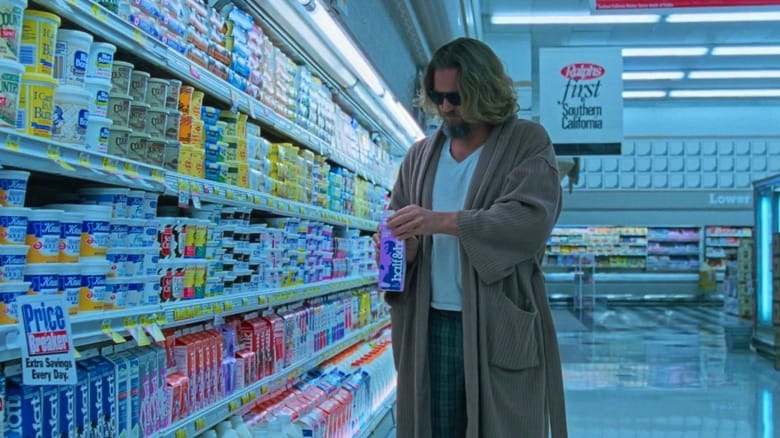
Your grocery store has no windows. No clocks. To get to the milk, you have to traverse the most labyrinthine maze of aisles to the back corner even though it's the thing most people came for. The produce section is always first, even though fruits and vegetables get crushed at the bottom of your cart.
None of this is accidental.
You are being subtly manipulated by The Man.
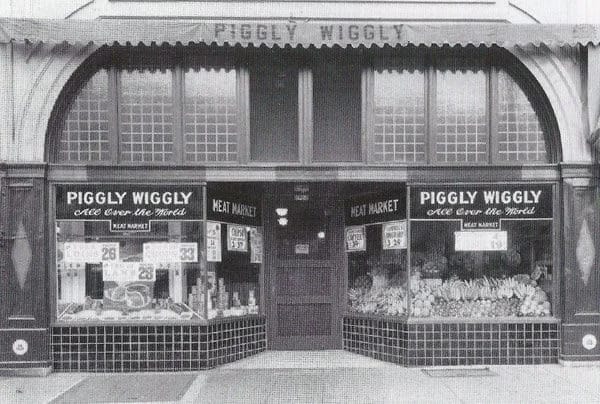
The modern American supermarket is one of the most carefully engineered environments you walk through on a regular basis, and it's been that way since a guy named Clarence Saunders opened a store called Piggly Wiggly in Memphis in 1916 and let customers browse the aisles for the first time.
A Brief History of How We Got Here
Before 1916, grocery shopping looked nothing like it does today. You walked into a store, handed a clerk your list, and they gathered everything for you from behind a counter. You couldn't browse. You couldn't impulse buy. You couldn’t grab those weird blue cheese and onion artisanal kettle chips off an end cap on your way to checkout. You got what you asked for and left.
Saunders’ idea of browsing and baskets was considered radical (and a little risky, since customers could now shoplift more easily), but the trade-off was worth it: fewer employees, lower prices, and a discovery that would shape the entire retail industry going forward. When people browse, they buy more.
By 1930, the first true supermarket (King Kullen, in a converted garage in Queens, New York) opened and the model we know today took shape. The average store today carries over 30,000 individual products. That number was 605 at the original Piggly Wiggly.
The modern grocery store took about a century to evolve into what it is now. The psychology that runs it took even longer.
This week, we're decoding how grocery stores actually work, from the psychology of shelf placement to the reason rotisserie chickens cost less than raw ones, and how to use all of it to your advantage.
10 Things Your Grocery Store Doesn't Want You to Know
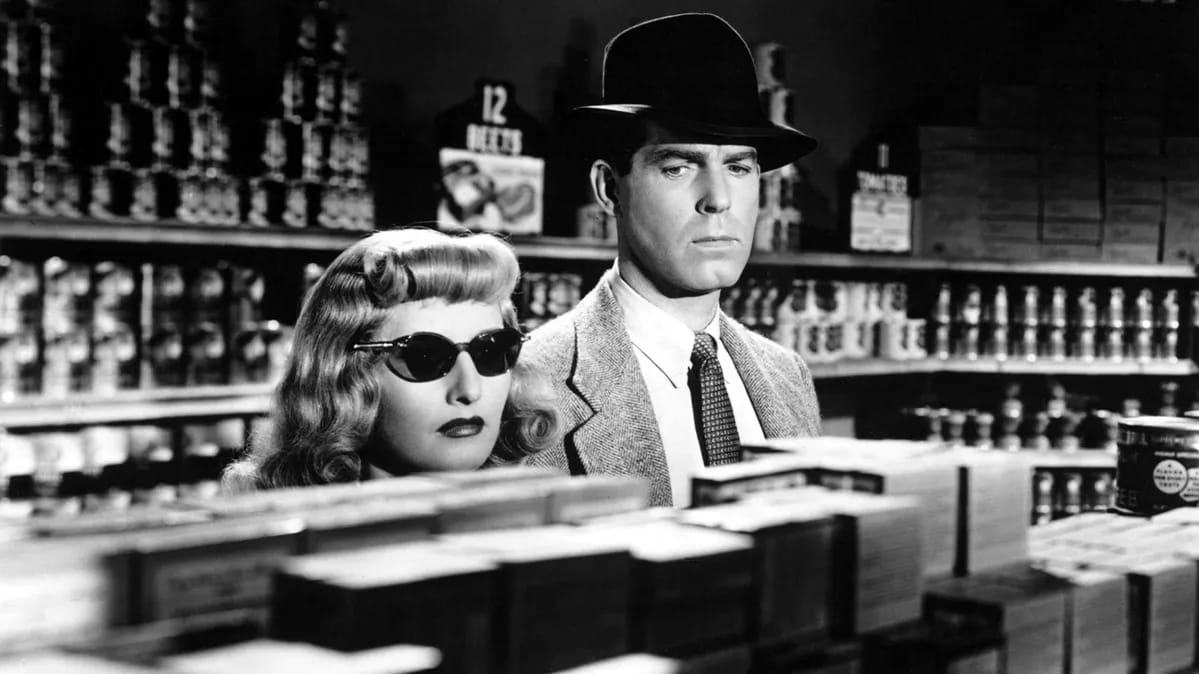
1. Produce is at the front for a reason.
The first thing you see when you walk in is the most beautiful section of the store. Bright colors, misting systems, that fresh green smell. This is intentional. Researchers call it the "primacy effect." When you fill your cart with healthy, colorful produce first, you subconsciously feel like you've checked the "responsible shopping" box. That makes you more likely to reward yourself with less healthy (higher margin) items later in your trip. The vegetables give you permission to grab the chips.
2. You're walking a designed path.
Most shoppers naturally turn right when they enter a store. Retailers know this. The right wall is considered "prime real estate" and it's where they put their highest-margin or most strategically important displays. The whole store is laid out to move you in a specific pattern, usually counterclockwise, past as many products as possible before you reach the essentials (milk, eggs, bread) that are almost always in the back corner.
You came for milk? Great! Now, walk past 47 aisles of temptation to get it.
3. "Eye level is buy level."
This is an actual phrase used in the grocery industry. The products at your eye level are there because brands paid for that placement. Those are almost always the most expensive options. A Cornell University study found that even cereal box characters are designed to make eye contact with shoppers at their specific height level (adult cereals look straight ahead, kid cereals look downward toward children in the cart).
The cheaper store-brand versions of the exact same product? They're on the top shelf or the bottom shelf. You literally have to look up or bend down to find the better deal. This is not an accident.
4. The bakery goods and rotisserie chickens are taunting you.
That smell of fresh bread and roasting chicken when you walk in activates your hunger, which makes you buy more food. Grocery stores bake bread and roast chickens on a schedule designed to maximize the aroma during peak shopping hours. Some stores even use ventilation systems to push the smell toward the entrance.
5. Rotisserie chickens are sold at a loss.
We covered this in the rotisserie chicken newsletter, but it's worth repeating because it's the most iconic example of a "loss leader." Grocery stores sell rotisserie chickens for less than a raw chicken costs because they know you'll grab rolls, a bagged salad, maybe some wine, and definitely something from the bakery on the way to the register. Costco has said publicly that they're willing to lose $30-40 million a year on rotisserie chicken pricing because the strategy works.
The same goes for milk, bread, and holiday turkeys. They're priced low to get you in the door. Everything else in your cart is where they make their money.
6. End caps are not sales.
Those big, colorful displays at the end of every aisle feel like deals. They're positioned to catch your eye as you turn the corner, and the single-product focus makes your brain think "this must be special." Sometimes they are on sale. Often they're not. They're products that brands paid extra to display prominently, or items the store is trying to move.
7. The store has no windows or clocks.
The lack of windows in grocery stores is borrowed directly from casino design. Without windows or clocks, you lose track of time (this makes me think of Percy Jackson and the lotus flowers). You browse longer. You spend more. The lighting inside is also carefully calibrated: warm tones in the bakery and deli to make food look cozy and inviting, cooler tones in the meat and seafood sections to make things look fresh and clean.
8. (Cart) Size matters.
Shopping carts have gotten bigger over the decades. Research suggests that when you double the size of a shopping cart, people buy up to 40% more. A half-empty cart feels like you haven't gotten enough, so you keep adding.
9. The checkout lane is meant to seduce you.
By the time you reach the register, your decision-making energy is spent. You've been evaluating products for 30-45 minutes. Your brain is tired. The candy, magazines, gum, and small snacks at checkout are specifically positioned to capitalize on this mental fatigue. They're small, cheap, and easy to grab without thinking…aaaand I do. That's the whole point.
10. "Sell By" dates are mostly made up.
We covered this in the pantry newsletter, but it ties in here. There is no federal law requiring expiration dates on most food. "Best By" and "Sell By" dates are manufacturer suggestions about peak quality, not safety. The USDA estimates that Americans throw away 30-40% of their food supply, and a huge chunk of that is perfectly good food tossed because of misleading labels. This benefits the store because you buy replacements sooner.
How to Use This to Your Advantage
Shop the perimeter first, then go in for specific items.
The perimeter is where the fresh food lives (produce, meat, dairy, bakery). The center aisles are where the highest-margin packaged goods are. Go in with a list, hit the perimeter, then only enter the aisles you actually need.
Look up and down, not straight ahead.
The store-brand version of almost everything is comparable in quality and significantly cheaper. It's hiding above or below the name brands at eye level. Store-brand products are on average 25-30% cheaper than their name-brand equivalents.
Never shop hungry.
This sounds obvious but it's backed by real data. Hungry shoppers buy more high-calorie, impulse items.
Go in with a list (and stick to it).
Ok, duh, but it’s HARD! The average shopper makes over 20 unplanned purchases per trip. A list won't eliminate all of them (you're still human), but it dramatically reduces the "how did I spend that much?" shock at the register. Use the Pepper app's shopping list feature to build your list directly from the recipes you're planning to make that week. It saves time and makes sure you're only buying what you'll actually use.

Use a basket instead of a cart for small trips.
If you're running in for five things, a cart is an invitation to fill it. The physical constraint of a basket keeps your trip focused.
Shop the sales, but only for what you'd buy anyway.
A deal on something you don't need is not a deal. A deal on chicken thighs you were going to buy regardless? That's free money.
The grocery store is one of those places we visit so often that we stop noticing how it's designed. Once you start paying attention, you can't unsee it. The produce placement, the bread smell, the milk in the back, the candy at checkout. It's all connected, and it's all intentional. Happy shopping!
Xx,
Saanya